The digital age has transformed how we create meaning, build identity, and connect with the mythological dimensions of human experience. Through avatars, sigils, and virtual rituals, modern practitioners are forging new pathways to ancient wisdom while simultaneously constructing entirely novel forms of spiritual and creative expression.
What once required physical temples, ceremonial tools, and geographic communities now flourishes in pixels and code. This evolution represents more than mere technological convenience—it signals a fundamental shift in how humanity approaches the sacred, the symbolic, and the collective unconscious in our increasingly interconnected world.
🌐 The Renaissance of Digital Myth-Making
Throughout human history, myths have served as frameworks for understanding existence, encoding wisdom, and creating shared cultural narratives. Today’s digital landscape offers unprecedented opportunities for myth-making that transcends traditional boundaries of geography, culture, and medium. The tools available to modern creators allow for instantaneous global collaboration and the blending of diverse mythological traditions in ways previously impossible.
Digital platforms have democratized the creation of mythological content. Where ancient myth-making was often the domain of priests, shamans, and designated storytellers, contemporary digital environments enable anyone with internet access to participate in crafting new narratives and symbolic systems. This shift has resulted in an explosion of creative mythological content that draws from traditional sources while innovating boldly into new territory.
The participatory nature of digital myth-making creates living, evolving narratives rather than fixed texts. Communities form around shared symbolic systems, continuously refining and expanding their collective mythology through interaction, interpretation, and creative contribution. This dynamic process mirrors the oral traditions of ancient cultures while leveraging digital technology’s unique capabilities for documentation and dissemination.
✨ Avatars as Modern Identity Totems
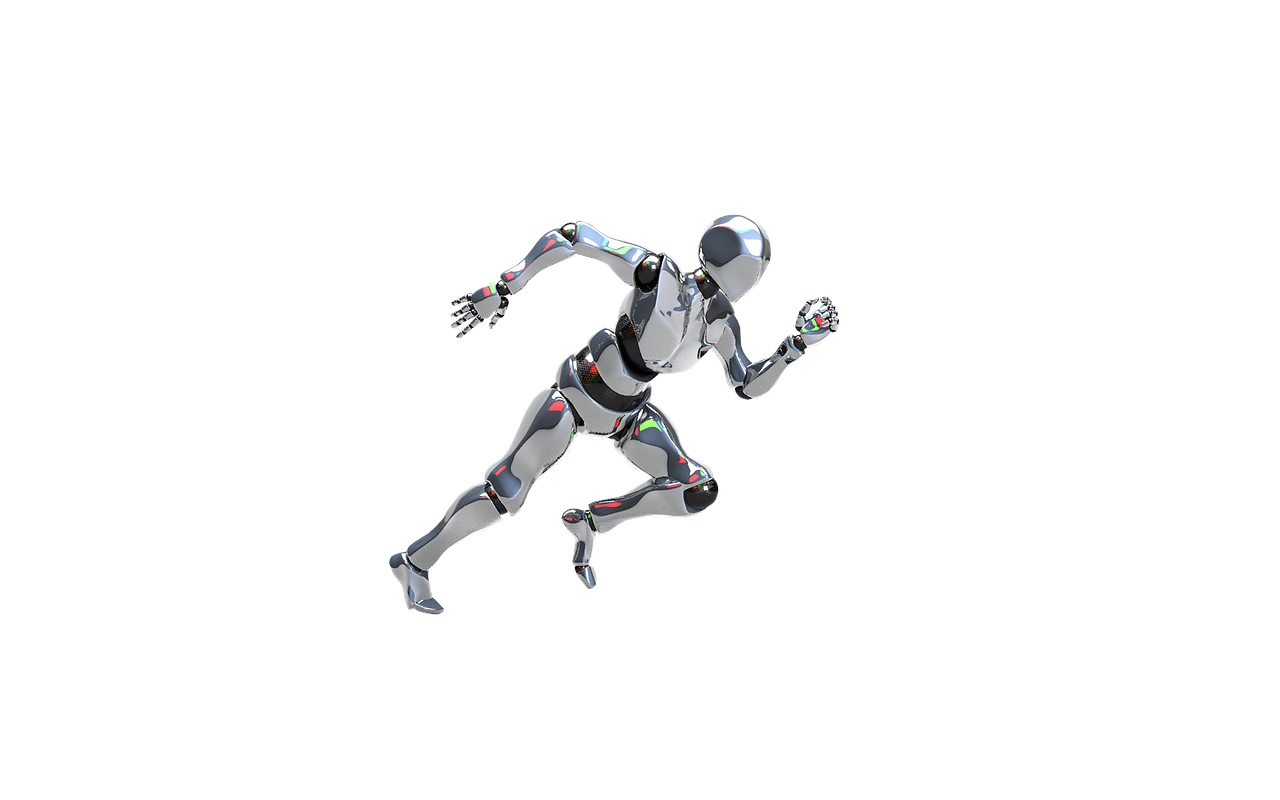
The avatar has emerged as one of the most powerful symbols of digital identity, functioning as a modern equivalent to totems, masks, and sacred representations from traditional cultures. An avatar is simultaneously a projection of self, an aspirational ideal, and a protective interface between the inner world and the digital realm.
Creating an avatar involves conscious and unconscious choices that reveal deep psychological truths. The selection of features, colors, styles, and accessories becomes a form of self-definition that carries mythological weight. Users instinctively understand that their avatar represents them in digital spaces, making choices that reflect both how they see themselves and how they wish to be perceived.
The Psychological Architecture of Avatar Creation
Avatar design activates archetypal patterns embedded in human consciousness. The process of selecting physical characteristics, clothing, and symbolic elements mirrors ancient practices of adopting ritual personas or invoking specific deities through costume and mask. Users engage in a form of digital shape-shifting, experimenting with different aspects of identity in safe, controlled environments.
Research in digital psychology demonstrates that avatars significantly influence user behavior and self-perception. The Proteus Effect, as documented by researchers, shows that people conform to the behavior expected of their avatar’s appearance. A user with a taller avatar may negotiate more confidently, while one with an attractive avatar might interact more socially—demonstrating that these digital representations possess genuine transformative power.
Cultural Dimensions of Avatar Symbolism
Different cultures bring distinct mythological frameworks to avatar creation. Eastern traditions might emphasize harmony, balance, and spiritual symbolism in their digital representations, while Western users might focus on individualism and achievement-oriented aesthetics. Indigenous perspectives might incorporate traditional patterns, colors, and symbols that connect digital identity to ancestral heritage.
This cross-cultural pollination in avatar design creates hybrid symbolic systems that reflect our globalized reality. A single digital space might feature avatars drawing from anime aesthetics, African traditional art, Norse mythology, and cyberpunk futurism—all coexisting and interacting, generating new mythological possibilities through their combination.
🔯 Sigils in the Digital Age
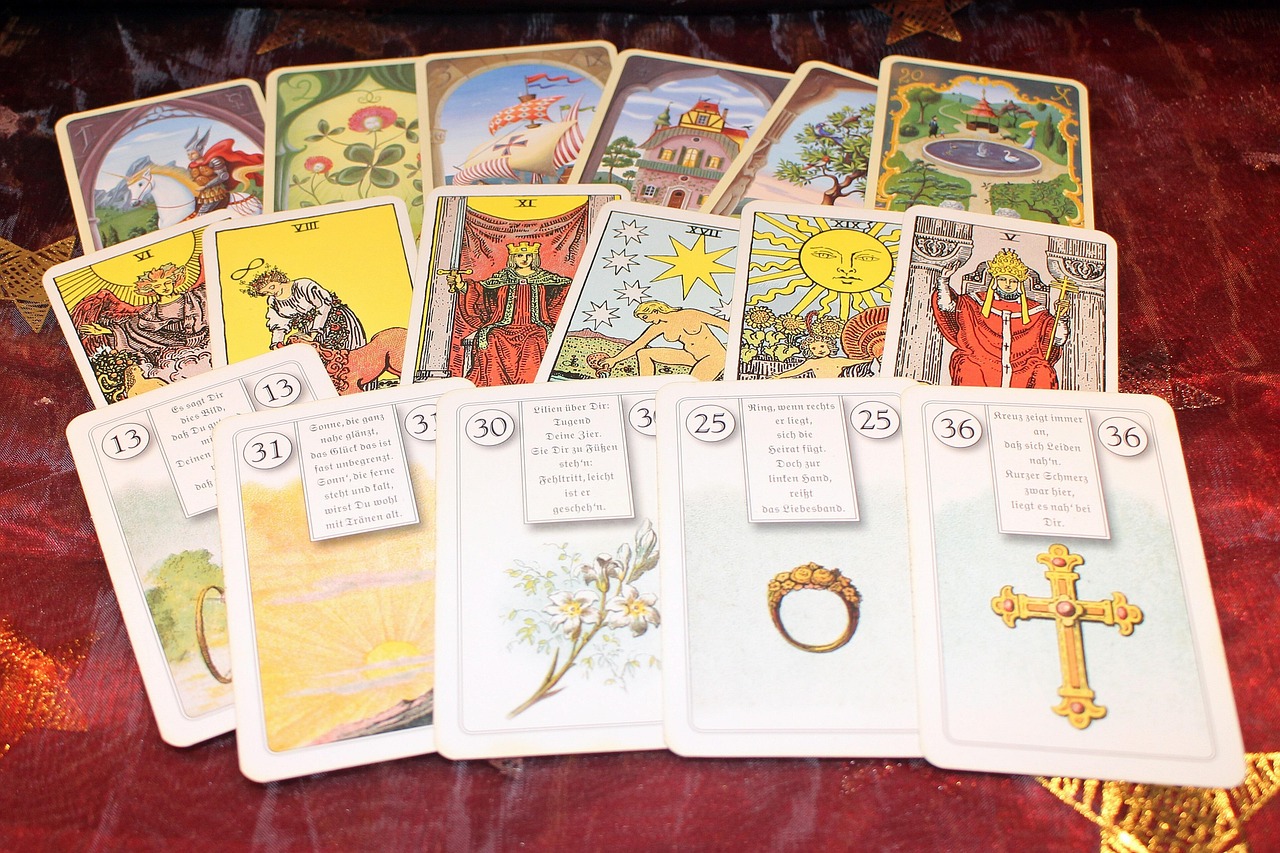
Sigils—symbols charged with intention and meaning—have found new life and amplified power in digital contexts. Traditional sigil magic involved creating unique symbols to focus will and manifest desired outcomes. Digital platforms have transformed this practice, allowing for unprecedented creativity, sharing, and activation of these symbolic tools.
The visual language of the internet naturally aligns with sigil work. Logos, emojis, memes, and custom graphics all function as condensed meaning-packets that trigger specific responses and associations. Savvy practitioners recognize that every shared image, carefully crafted username, and designed profile operates according to sigilic principles—encoding intention into symbolic form for transmission and activation.
Creating and Charging Digital Sigils
Digital tools offer remarkable flexibility for sigil creation. Graphic design software, drawing applications, and even text-based symbol manipulation allow practitioners to craft precise visual representations of their intentions. The process typically involves these stages:
- Clarifying intention through written statement
- Condensing the statement by removing duplicate letters
- Arranging remaining letters into aesthetic symbolic form
- Refining the design until it resonates emotionally and aesthetically
- Charging the sigil through focused attention or ritual action
- Releasing the sigil into digital spaces for activation
The charging process adapts beautifully to digital contexts. Where traditional methods might involve meditation, burning, or burying the sigil, digital practitioners might set it as wallpaper, share it across social platforms, or incorporate it into larger creative projects. The act of digital transmission—sending the symbol out into networks where countless eyes might unconsciously process it—serves as a powerful charging mechanism aligned with the networked nature of contemporary consciousness.
Collective Sigil Magic and Viral Symbolism
Perhaps the most revolutionary aspect of digital sigil work involves collective creation and activation. Communities can collaboratively design symbols representing shared intentions, then distribute them across networks for mass activation. This process resembles both traditional group ritual and modern marketing campaigns, demonstrating the convergence of magical practice and communication technology.
Memes represent an organic form of collective sigil magic. These image-text combinations encode complex cultural information into shareable units that replicate across networks, subtly influencing collective consciousness. While not consciously created as magical tools, memes function according to sigilic principles—condensing meaning, triggering emotional responses, and spreading through cultural networks to affect perception and behavior.
🕯️ Virtual Rituals and Digital Sacred Space
Ritual practice has migrated online with surprising effectiveness, challenging assumptions that sacred work requires physical presence and tangible objects. Virtual rituals leverage video conferencing, shared documents, synchronized timing, and multimedia elements to create powerful experiences of connection, transformation, and meaning-making.
The creation of sacred space in digital environments involves intentional design and collective agreement. A video call becomes a temple through declaration and belief. Shared screens displaying sacred imagery, coordinated music or soundscapes, and synchronized actions by participants in separate locations combine to generate genuine ritual consciousness and community bonding.
Types of Virtual Ritual Practices
Digital platforms support diverse ritual approaches, each with unique strengths and characteristics. Meditation circles meet via video to sit in silent practice together, finding that the visible presence of fellow practitioners deepens commitment and experience. Magical lodges conduct initiations and seasonal celebrations through carefully choreographed online ceremonies that participants report as surprisingly powerful.
Creative rituals have flourished particularly well in digital contexts. Communities might coordinate simultaneous art creation, collective writing projects, or synchronized music performances that generate a sense of unified purpose and flow. The ability to record these events creates artifacts that can be revisited, analyzed, and incorporated into ongoing mythological development.
Synchronizing Across Distance and Time
One of virtual ritual’s most intriguing aspects involves the manipulation of time and space. Practitioners in different time zones can participate “simultaneously” through recording and playback, or coordinate activities to align with specific astronomical events despite geographic separation. This temporal flexibility allows for ritual designs impossible in purely physical contexts.
Asynchronous rituals represent another innovation. A community might set intentions together, then complete individual ritual actions on their own schedule, documenting and sharing results in a collective digital space. This approach accommodates modern life’s scheduling challenges while maintaining communal connection and shared purpose.
💫 The Technology-Mysticism Interface
The convergence of technology and mysticism raises fascinating philosophical questions about the nature of reality, consciousness, and spiritual experience. Does a ritual performed in virtual reality carry the same weight as one conducted in physical space? Can digital symbols access the same archetypal layers as traditional magical tools? These questions don’t have simple answers, but exploring them reveals important insights.
Many practitioners report that digital contexts actually enhance certain aspects of spiritual work. The ability to curate sensory experience precisely—controlling lighting, sound, and visual elements with digital tools—can facilitate deeper trance states and more focused intention. The psychological distance provided by screens sometimes allows for greater vulnerability and authentic expression than face-to-face interaction.
Augmented and Virtual Reality Applications
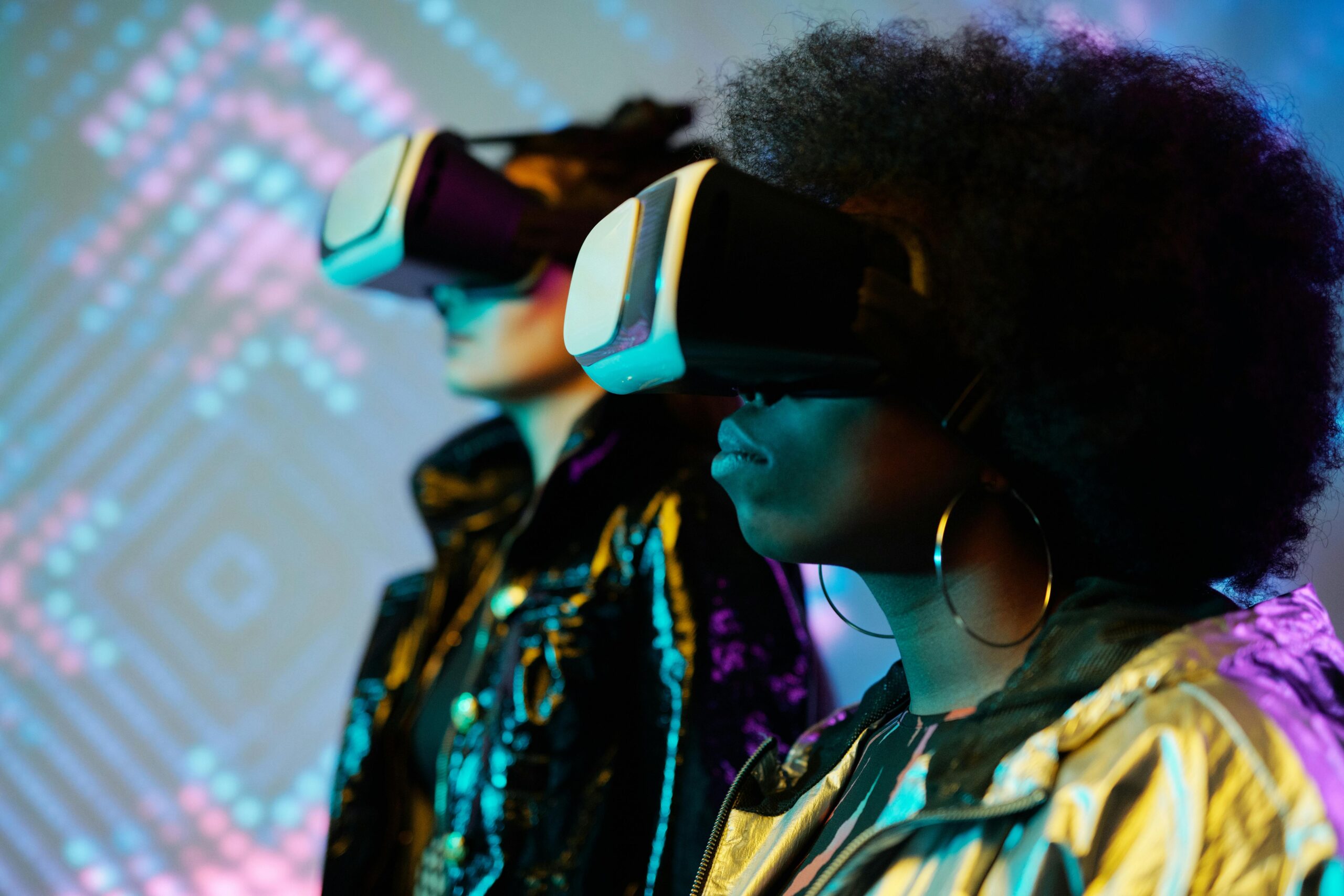
Emerging technologies like augmented reality and virtual reality promise to deepen the immersive quality of digital spiritual practice. Imagine conducting rituals in photorealistic virtual temples that respond dynamically to participants’ actions, or overlaying sigils and sacred geometry onto physical environments through AR glasses. These technologies blur the boundary between digital and physical, creating hybrid spaces for mythological work.
Virtual reality platforms already host meditation spaces, ceremonial grounds, and collaborative art environments where users’ avatars interact in three-dimensional digital worlds. The embodied quality of VR—where users experience presence and spatial awareness—creates opportunities for ritual work that transcends traditional video conferencing limitations.
🎨 Building Personal Mythologies in Digital Spaces
One of the most personally transformative aspects of digital myth-making involves the construction of individual mythological frameworks. Social media profiles, blogs, creative portfolios, and online communities allow individuals to craft and share their personal narratives with unprecedented control and reach.
This process involves identifying core themes, values, and experiences that define one’s life story, then expressing them through symbolic language, visual aesthetics, and narrative structure. Over time, these elements coalesce into a coherent personal mythology that provides meaning, direction, and a sense of continuity across life’s changes.
Documenting the Hero’s Journey Online
Many digital creators unconsciously structure their online presence according to mythological patterns like the hero’s journey. Posts document challenges faced, transformations undergone, wisdom gained, and return to community with gifts to share. This narrative structure resonates deeply because it aligns with archetypal patterns embedded in human psychology and storytelling traditions across cultures.
The public nature of this documentation creates accountability and connection. Sharing one’s journey invites others to witness, support, and learn from personal growth processes. It also generates feedback loops where audience response shapes ongoing narrative development, creating collaborative myth-making between creator and community.
🌟 Ethical Considerations and Shadow Work
The power of digital myth-making carries ethical responsibilities that practitioners must carefully consider. The ability to craft identity, manipulate symbols, and influence collective consciousness through digital means requires thoughtful reflection on intention, impact, and integrity.
Shadow work—the psychological process of acknowledging and integrating disowned aspects of self—becomes particularly important in digital contexts. The ease of projecting idealized identities online can lead to fragmentation between digital persona and lived reality. Authentic practice involves bringing awareness to these gaps and working toward integration rather than escapism.
Cultural Appropriation and Symbolic Respect
The global accessibility of mythological symbols and practices raises concerns about cultural appropriation. Practitioners must balance appreciation and learning from diverse traditions with respect for cultural origins and the lived experiences of people from those cultures. This involves educating oneself about context, seeking permission when appropriate, and avoiding the commodification of sacred symbols.
Creating original symbolic systems that draw inspiration from multiple sources while acknowledging influences represents one approach to this challenge. Another involves deepening relationship with one’s own ancestral traditions before borrowing from others. The goal is cross-cultural exchange that enriches all parties rather than extraction that harms source communities.
🚀 The Future of Digital Mythological Practice
As technology continues evolving, so too will the methods and possibilities for digital myth-making. Artificial intelligence already assists with creative generation, potentially becoming collaborative partners in crafting new mythologies. Blockchain technology enables new forms of ownership and participation in collective symbolic systems. Brain-computer interfaces may eventually allow direct mind-to-mind sharing of mythological experiences.
These developments will raise new questions and challenges. How do we maintain human agency and authentic experience as AI becomes more sophisticated? What does ownership mean for collectively generated mythological content? How do we protect the sacred and meaningful from commercialization and manipulation?
Despite these unknowns, the fundamental human need for meaning, symbol, and connection will persist. Digital tools offer powerful new ways to meet these needs, but they work best when grounded in timeless wisdom about human psychology, community dynamics, and spiritual growth. The most effective digital myth-makers will be those who honor both innovation and tradition, recognizing that new forms serve ancient purposes.
🔮 Integrating Digital Practice with Physical Reality
While digital tools offer remarkable capabilities, the most balanced approach integrates virtual and physical practice. The body’s wisdom, the earth’s rhythms, and the power of face-to-face human connection remain irreplaceable elements of deep spiritual and creative work. Digital practice works best when it complements and enhances rather than replaces embodied experience.
Practitioners might design hybrid rituals that begin with physical actions—lighting candles, creating altars, or engaging in movement—before transitioning to digital connection with distant practitioners. Sigils created digitally can be printed and incorporated into physical spaces. Avatars can inspire physical costumes or aesthetic choices that bring digital identity expression into everyday life.
This integration honors the full spectrum of human experience and avoids the trap of escapism. The goal is not to retreat from physical reality into digital fantasy, but to use digital tools to enrich, document, and share the ongoing process of creating meaningful lives in both realms. When digital and physical practice inform and support each other, the result is a more complete, robust, and sustainable approach to modern myth-making.
The power of avatars, sigils, and virtual rituals lies not in their technological sophistication but in their ability to connect contemporary practitioners with eternal human needs for meaning, identity, and transcendence. By approaching these tools with intention, creativity, and wisdom, we craft digital realities that serve our highest purposes and contribute to the ongoing evolution of human consciousness and culture. The myths we make today in digital spaces will shape the psychological and spiritual landscape for generations to come, making our current work both privilege and responsibility.

Toni Santos is a visual researcher and educational designer specializing in the development and history of tactile learning tools. Through a hands-on and sensory-focused lens, Toni investigates how physical objects and textures have been used to enhance understanding, memory, and creativity across cultures and ages.
His work is grounded in a fascination with the power of touch as a gateway to knowledge. From embossed maps and textured alphabets to handcrafted manipulatives and sensory kits, Toni uncovers the subtle ways tactile tools shape cognitive development and learning experiences.
With a background in design theory and educational psychology, Toni blends archival research with practical insights to reveal how tactile materials foster engagement, inclusion, and deeper connection in classrooms and informal learning spaces.
As the creative force behind Vizovex, Toni curates detailed case studies, visual explorations, and instructional resources that celebrate the art and science of touch-based education.
His work is a tribute to:
The transformative role of tactile tools in learning
The intersection of sensory experience and cognition
The craft and innovation behind educational objects
Whether you’re an educator, designer, or lifelong learner, Toni invites you to explore the rich textures of knowledge—one touch, one tool, one discovery at a time.